
About
Riccardo Fagiolo
I bought my first Arduino at thirteen, right after watching Iron Man and deciding I was going to be an engineer. (In hindsight, false advertising. It makes engineering look like a path to being rich and charismatic, like a finance bro who can solder. In reality the pay is fine, and we are better with machines than with people.) The bug stuck anyway. I spent that year pestering Massimo Banzi with beginner questions on the Arduino forums and emailing the CEO of SparkFun for free parts. Nathan Seidle, to his credit, actually wrote back and sent me a hundred dollars of electronics. I tried the same on Tim Cook. Still waiting on the Mac.
A couple of years later I ran a Minecraft server called Minerva’s Realm (named after a corner of BioShock I loved), with about a hundred people on it most days. I never made a cent from it, but keeping it alive taught me to administer Ubuntu boxes and got me properly hooked on Linux. It cost me a fair bit of teenage social life too, if I’m honest.
The builds got more ambitious, and more questionable. For my high-school graduation I made a Tesla coil, knowing very little about electronics and nothing at all about RF. It worked, more or less: sparks, bulbs lighting up out of thin air, and at one point arcs jumping straight from the 230-volt mains into the transformer core. I’m fairly sure I came close to taking out every appliance in the school.
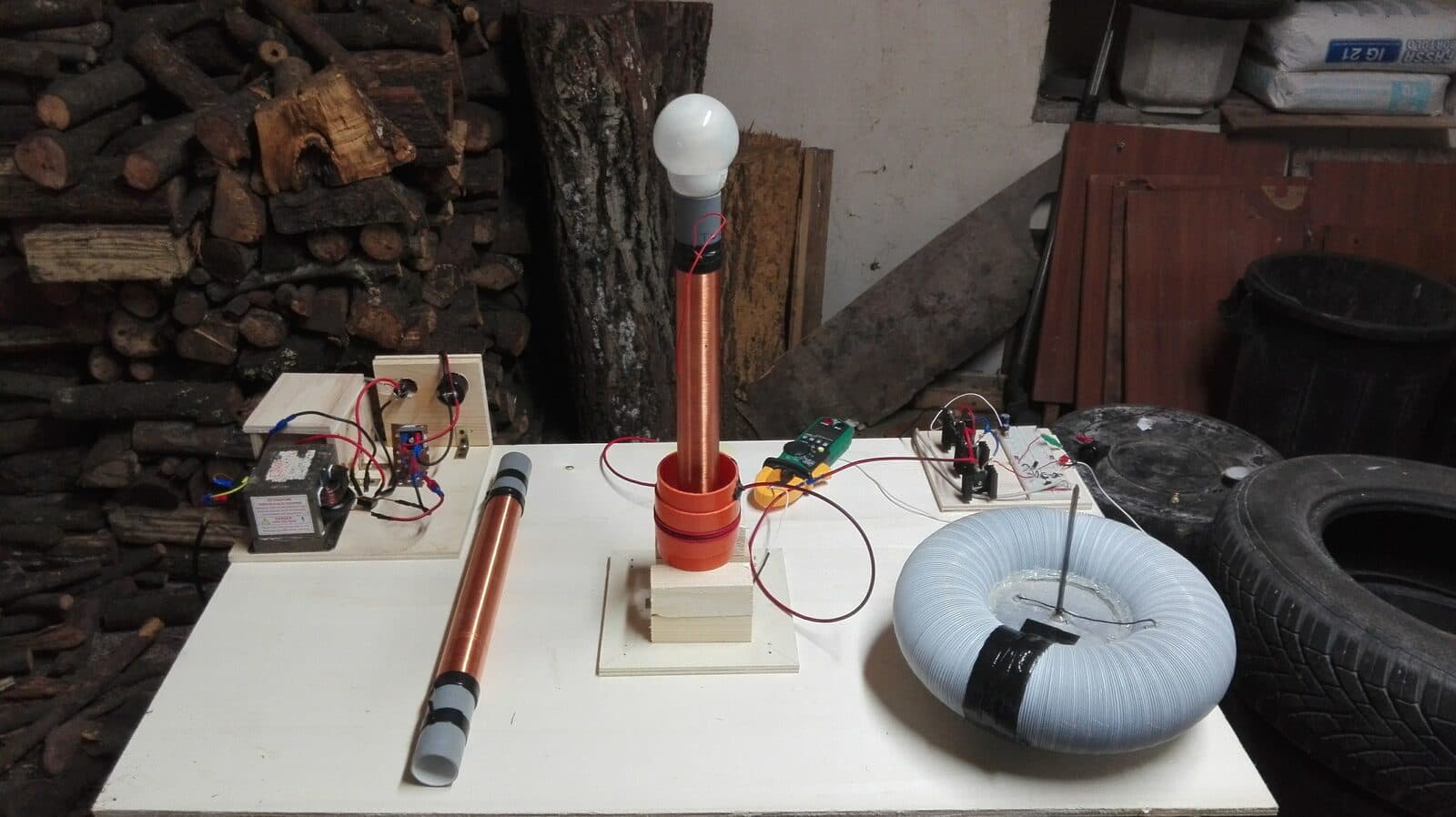
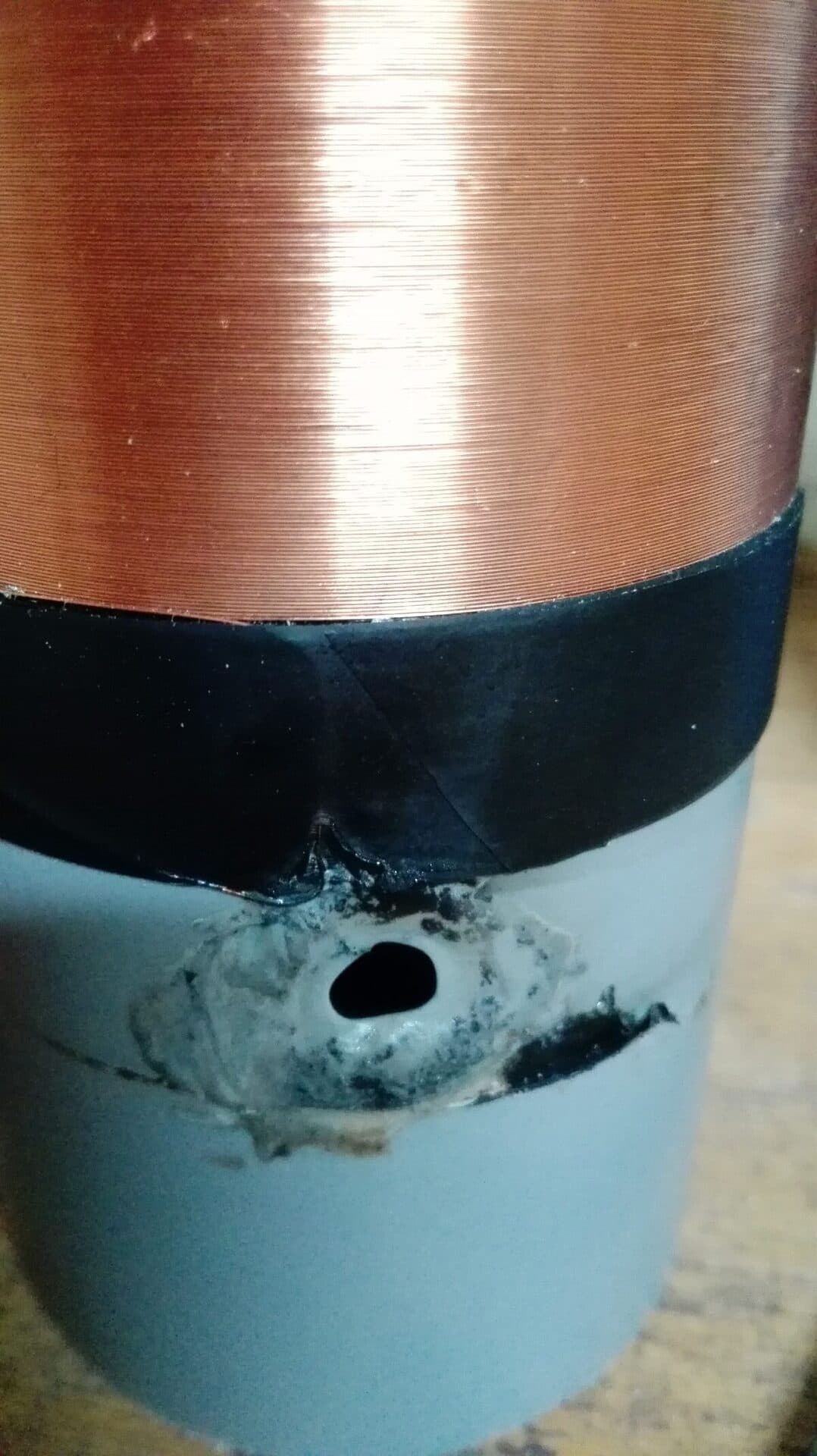
My graduation Tesla coil, and the spot where a 230 V arc found the core.
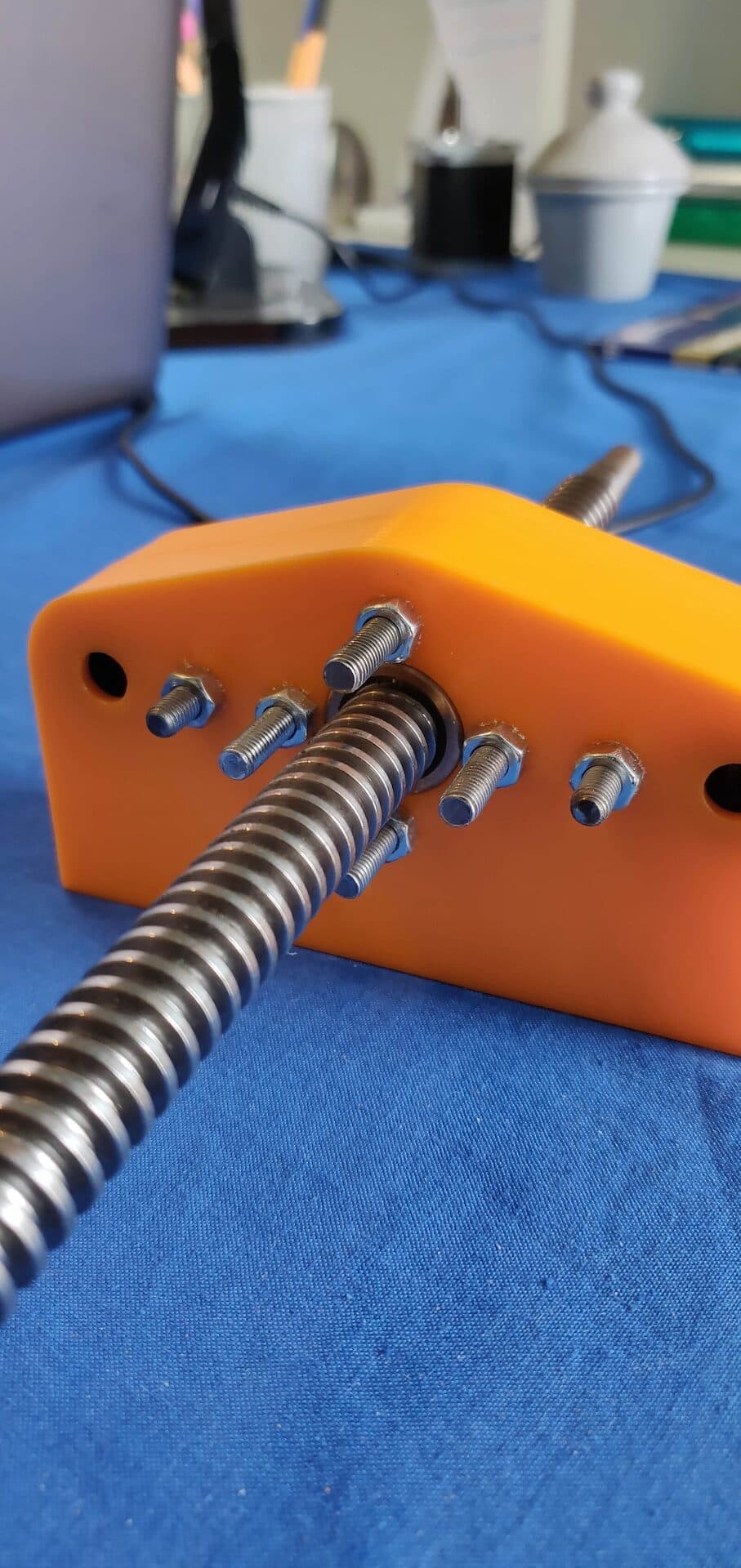
Not everything worked. A year later I tried to build a CNC machine out of 3D-printed brackets and wood, which flexed, rattled, and never cut a straight line. But that’s roughly the pattern: get curious about something, build the thing, learn five other things by accident, and occasionally scorch one.
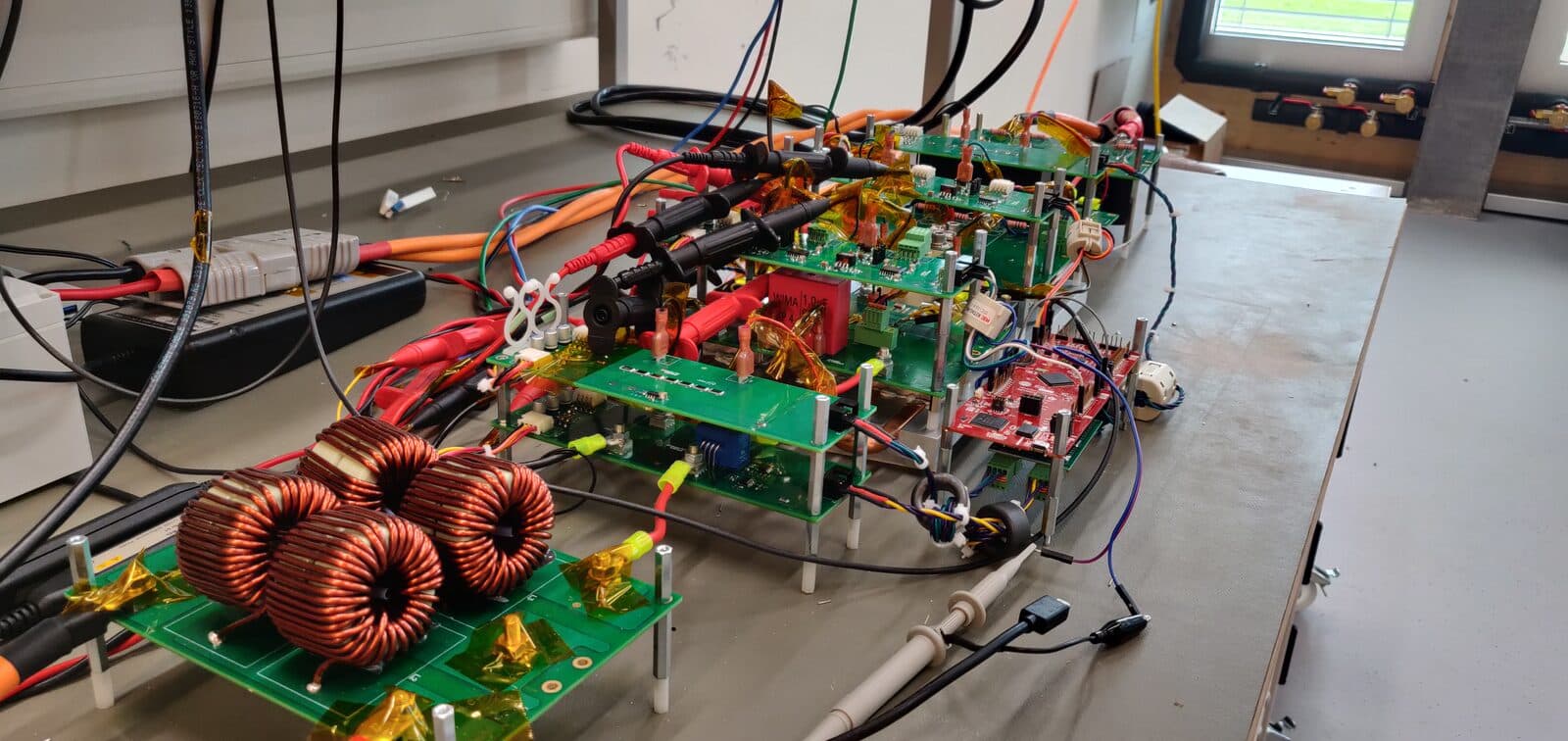
These days the problems are bigger but the pattern’s the same. Hardware is home turf, mostly power electronics. My master’s thesis was a 15 kW DC-DC converter for cars, rigged up on the bench from scratch, and I stayed in automotive power electronics for a while after that. That pulled me into software, because you can’t really design hardware anymore without writing the tools that do it (Rust for the engines, Python for the analysis). And building things means proving they work, which is what I do now: I’m a test engineer at Hilti, on precision laser measurement systems. The job is taking messy, exploratory testing and turning it into something repeatable, automated, and measurable. Design it, build it, prove it. The interesting problems usually show up where the three meet.
As for the order-and-chaos business, I come by it honestly. I’m half Italian and half Hungarian: too Hungarian to be properly Italian, too Italian to be properly Hungarian. Now I live in Switzerland, which has only made it worse. Growing up in the cheerful chaos of Italy gave me a real appreciation for bringing some order to things. The calm of the Swiss countryside has given me a soft spot for the Italian way of doing everything loudly and all together. So I tidy the mess into clear steps and numbers I can line up, then leave a bit of it in on purpose. I’d miss it otherwise.
I write the odd article here, mostly to find out whether I actually understand something. I’d probably keep doing it even if no one read a word. Pull up a chair, have a look around, and if something here is up your alley, say hello.